SAS helps illuminate the health impact of solar power in rural Uganda
PR Newswire
CARY, N.C., Oct. 7, 2026
Let There Be Light International uses data to better understand how clinic electrification projects support maternal care, patient access and healthier homes
CARY, N.C., Oct. 7, 2026 /PRNewswire/ -- Global data and AI leader SAS helped Let There Be Light International better understand how solar electrification affects health care and daily life in rural Uganda. Through a Data for Good project, SAS employee volunteers analyzed years of clinic and household data to measure what changes after the lights come on.
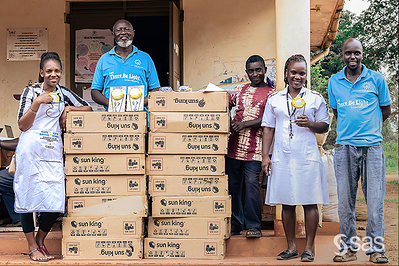
The analysis linked solar power at rural health clinics with longer service hours, more attended births and greater patient access. Electrified clinics reported an average of 11.5 additional operating hours per day, 107.3% increase in attended births and 48.9 more patients each week.
"Previously we had no reliable light and this affected our maternity service delivery at night," said Sylvia, a midwife at a Safe Births + Healthy Homes clinic. "But with the solar lamp incentive, clinic births have more than doubled within a period of less than a year. We are happy to have a reliable light source to better handle deliveries at night and not spend money on buying disposable flash torches and kerosene. We have high hopes that many more mothers will be delivering at the health clinic instead of going to traditional birth attendants."
Let There Be Light International works to address energy poverty by bringing solar power to rural health facilities and homes. Its Safe Births + Healthy Homes program supports maternal and infant health while helping families access safe lighting after mothers and newborns leave the clinic.
Two volunteer teams examined different parts of that work. One team analyzed whether electrified clinics could remain open longer, support more births and serve more patients. A second team studied participant data from Safe Births + Healthy Homes program data to better understand how solar lighting affected the health, safety and daily routines of mothers and their families.
For clinics, the findings show that the value of electricity extends beyond infrastructure. Additional operating capacity gives health workers more opportunities to provide care after sunset and respond to the needs of mothers, newborns and other patients.
"The real value of analytics was in connecting infrastructure to outcomes that matter to people," said Naveen Sundaresan, SAS Technical Support Engineering Manager and project volunteer. "Electrification is not just about whether a clinic has power; it is about whether that power translates into longer operating hours, greater patient access, stronger maternal health capacity and more reliable care."
"SAS analyzed more than a decade of data, giving us a clearer picture of how solar power improves health and health care in off-grid communities and who benefits most," said Hannah Schulman, Director of Programs and Impact at Let There Be Light International. "Better understanding what really works to support mothers, clinic staff and whole communities helps us strengthen our programs. It allows us to partner more effectively with local stakeholders and advocate for expanding solar safety net programming so that no one is left behind."
The household analysis included responses from 3,519 families. Of those surveyed, 88.1% reported improved health at home, while 56.9% reported reduced symptoms or illness. Families also described safer nighttime household chores and activities and greater confidence caring for children after dark.
The clinic and household findings give Let There Be Light International a clearer view of the outcomes associated with solar electrification. By combining clinic results, household experiences, illness patterns and geographic information, the organization can better understand past impact and make more informed decisions about where future support could have the greatest value, how to replicate elsewhere and how to best support communities.
Explore how data helped Let There Be Light International measure the power of light.
About Let There Be Light International
Let There Be Light International partners with grassroots NGOs to deliver clean, safe solar lighting to off-grid communities. Rooted in local knowledge and relationships, their work is collaborative and community-led. They prioritize reaching those most affected by energy poverty – especially people living with disabilities, women, children and the elderly – ensuring their programs are inclusive, equitable, and sustainable.
SAS is a global leader in data and AI, helping organizations make confident decisions with AI they can trust. For decades, SAS has set the standard for delivering software that drives meaningful impact, incorporating deep industry expertise, transparency and governance. SAS gives you THE POWER TO KNOW®.
SAS and all other SAS Institute Inc. product or service names are registered trademarks or trademarks of SAS Institute Inc. in the USA and other countries. ® indicates USA registration. Other brand and product names are trademarks of their respective companies. Copyright © 2026 SAS Institute Inc. All rights reserved.
Kris Balic; kris.balic@sas.com; 919-531-0624
 View original content to download multimedia:https://www.prnewswire.com/news-releases/sas-helps-illuminate-the-health-impact-of-solar-power-in-rural-uganda-302899350.html
SOURCE SAS
